


In France, research is organized between universities and national research organizations such as CNRS, CEA, Inria, Inserm, INRAe, IRD, etc — all of which work in close collaboration with the Université Grenoble Alpes (UGA). Research is then structured intoresearch units,which may be specific to a single institution or jointly operated by universities and research organizations.
At Université Grenoble Alpes, doctoral students are enrolled in a doctoral school within the Doctoral College of the Université Grenoble Alpes, but they conduct their research on a daily basis in a research unit. Doctoral students are supervised by researchers or faculty members.
In France, the decree of 25 May 2016 establishes the national framework for training and the procedures for preparing and awarding doctoral degrees. It defines the rules common to all doctoral schools: enrolment conditions, supervision (including the role of the thesis supervisor), monitoring of doctoral students, defence of the thesis and awarding of the degree.
Unite! doctoral students at UGA
A unite! student can come and study at UGA via 4 different statuses:
Standard Doctoral Student
Like any other student, a Unite! doctoral student or master's student may come on an individual basis, and enroll at UGA.
40% of doctoral students at UGA come from abroad.
Cotutelle
Cotutelle agreements are set up between UGA and the unite! partner universities.
During the thesis and until the thesis defense, the doctoral student enrolls at both institutions but pays fees at
only one. He/She alternates research stays in the two institutions under the supervision of a thesis supervisor in each institution and receives two degrees after a single defense.
According to the strategy of the Unite! European University network, to strengthen the collaboration among members, in research and education activities, the Partners decide to encourage the application of the cotutelle agreement.
The Unite! partners have signed a framework agreement defining the common characteristics and minimum requirements for Unite! cotutelle supervision.
Co-supervision
It requires one HDR (Authorization to supervise research) supervisor at UGA. The second supervisor can be non-HDR and external. This situation is common when the thesis spans over two disciplines. The doctoral student will be awarded a single Doctorate from their home institution.
Visiting Doctoral/Research Student
On invitation by a research unit and its supervisor, the doctoral student can come and work in collaboration. If the doctoral students' mobilities expand beyond 2 months, they can be granted a “doctoral partnership” student status.
Unite! doctoral supervisors at UGA
- ROLE OF THE SUPERVISOR: The thesis supervisor is responsible for supporting the doctoral student in their academic integration and supervising their research work. He/she ensures that the study plan is followed, skills are developed and the necessary resources are made available.
Through regular monitoring, he/she guides the progress of the project, encourages scientific publications and promotes the dissemination of results within the research community. Thanks to his/her expertise and experience, he/she guides the doctoral student in integrating into the academic community.
- REQUIREMENTS: in France, the thesis supervisor must hold the "Habilitation à Diriger des Recherches" (HDR): this university degree is a prerequisite for supervising doctoral students. It attests to a high level of scientific expertise, an original approach to research and the ability to supervise young researchers.
A co-supervision can be put in place between two universities with or without a cotutelle agreement. In this case, only one HDR supervisor affiliated with Université Grenoble Alpes is required. This situation is common when the co-supervisor is from industry, or when the thesis spans over two disciplines.
Doctoral Journey at UGA
- DURATION: The duration of a doctoral degree is 3 years .This duration may be extended in special circumstances.
- SUPERVISION: The main
supervisor of a doctoral Student must hold the HDR and be
attached to a doctoral school.The
appointment process is strictly managed by the doctoral school and Doctoral
College.There
may be additional co-supervisors or thesis advisors.
An individual thesis monitoring committee (CSI) meets independently and annually to review progress and advise the doctoral student. - TRAINING and CAREER: In addition to training by research during the thesis period, at least 120 hours of training over the three-year-thesis
period are required. If the mobility period is inferior, the number of hours will be calculated proportionally. They will include specialized, cross-disciplinary, and
professional integration modules, and even courses in French at all levels.
The Training and Career development department of UGA Doctoral College organizes training and follow-up of doctoral students’s career.
See the page "Training and Career Development Department"
UGA offers guidance, thematic workshops, alumni networking, and support services to help develop career plans, skills, and professional networks. - DEFENSE: Defenses are public (except in specific
cases). The defense consists of a presentation of the research work carried out, followed by a discussion with the members of the jury. As part of its deliberations, the jury assesses the quality of the doctoral student's work, its innovative character, the doctoral student's ability to place it in its scientific context and its exposure qualities.
See the page "The Thesis Defense"
Application, admission and registration at UGA
- ADMISSION REQUIREMENTS: Applicants for
a thesis must have a master's degree or equivalent.
They must find a thesis topic supervised by a thesis supervisor in a research unit and receive funding.
No French language skills are required.
See the page "Financing your PhD and Find a Thesis Subject"
- APPLICATION and ADMISSION: Once you have found a topic and a thesis supervisor, you can apply to the corresponding doctoral school, which will check that your application is complete and that you meet the prerequisites and requirements. A committee will examine the validity of the degree and its relevance to the topic of the doctoral thesis. Funding must be secured at this stage.
- REGISTRATION: Registration can take place all throughout the year.
The registration fees are defined annually by the Ministry and For the 2025/26 academic year, they amounted to approximately €500. Some exemptions of fees may apply.
Additional Services at UGA
Well-being and social life à UGA
Caring for the quality of life of doctoral students, the UGA Doctoral College provides support to doctoral students to address their day-to-day difficulties, whether personal or professional, relating to financial insecurity, well-being, mental health, or the fight against discrimination or harassment.
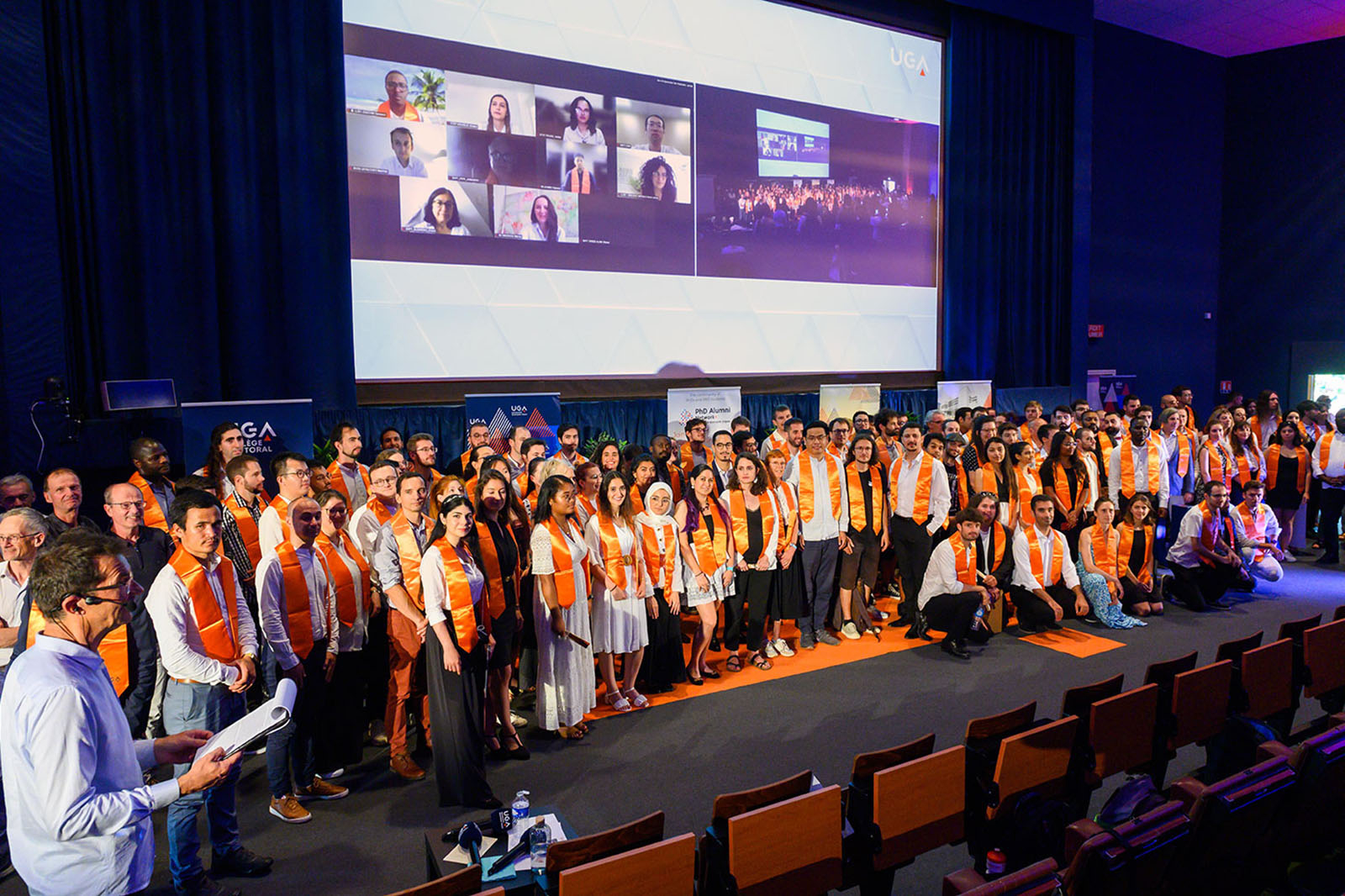
Events are organised regularly throughout the year to encourage social interaction between doctoral students and relieve stress such as an induction week, a PhD Welcome day with a great enigma game, Giant Karaoke at the Halloween party, graduation ceremonies, PhD spring or summer party.
University librairies
They give full access to documents for research, as well as adapted workplaces (equiped with computers, wi-fi connection, etc.).
Campus Life at UGA
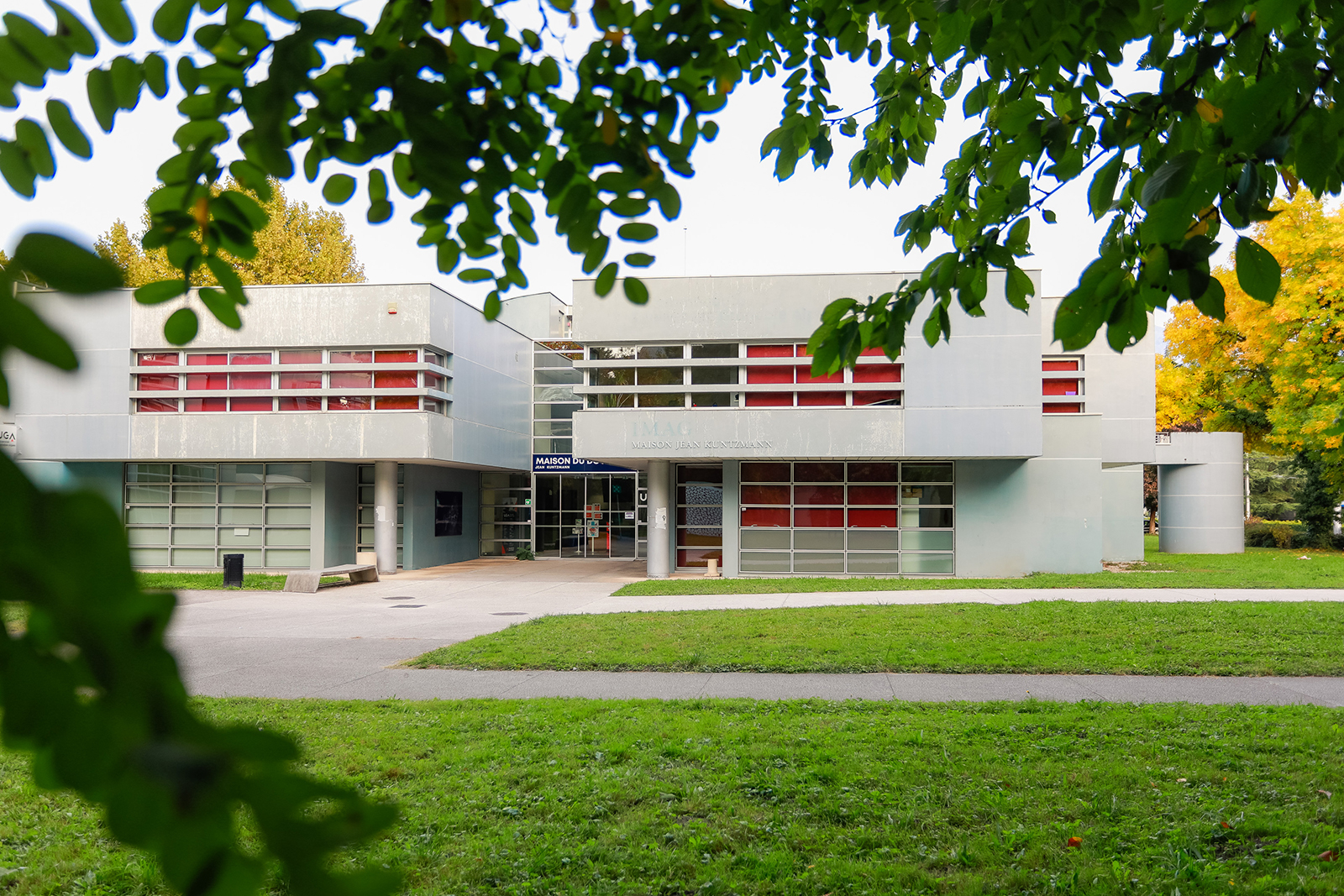
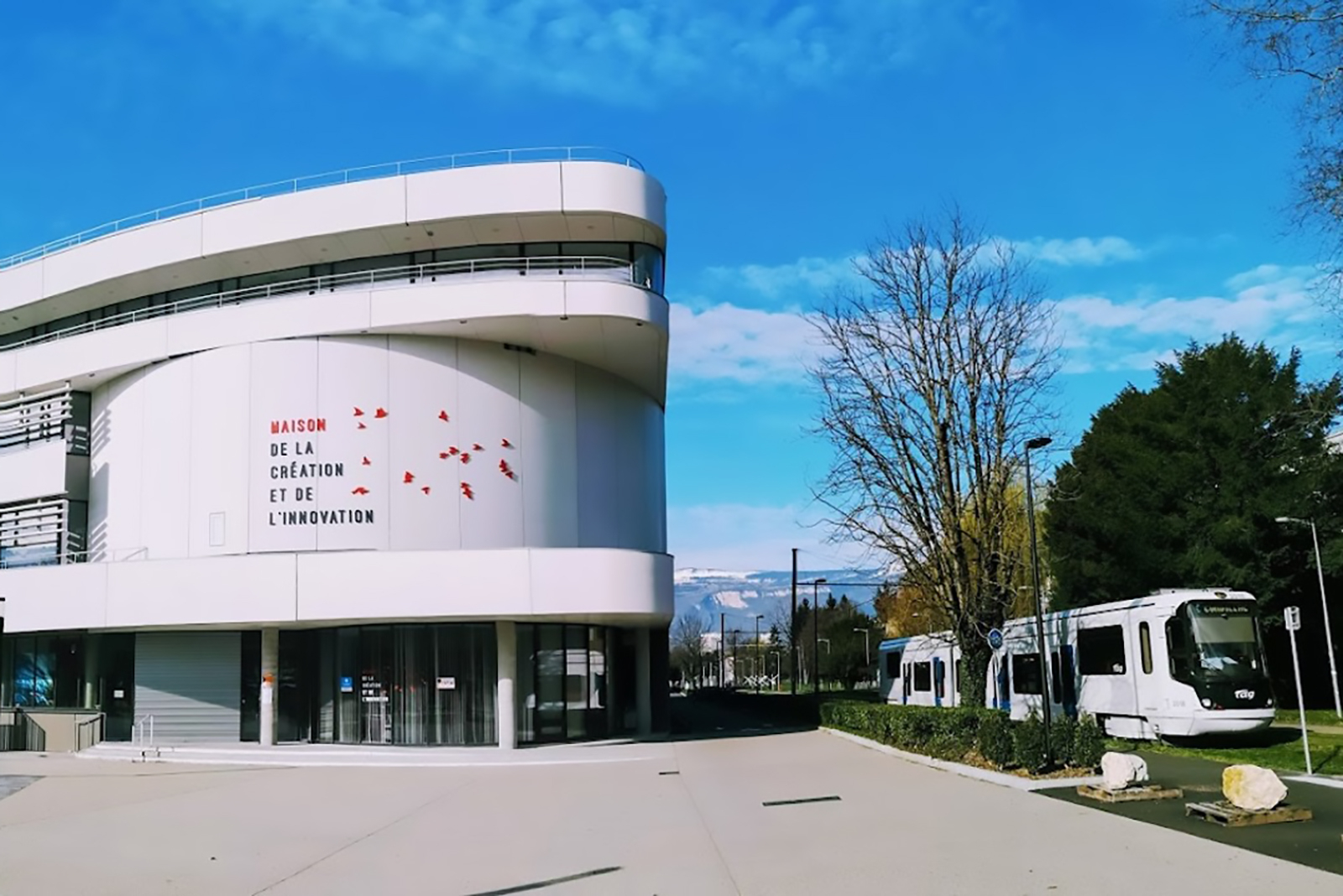
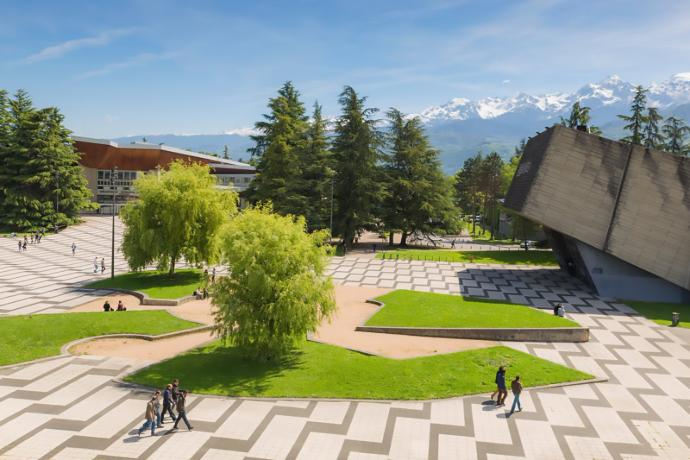
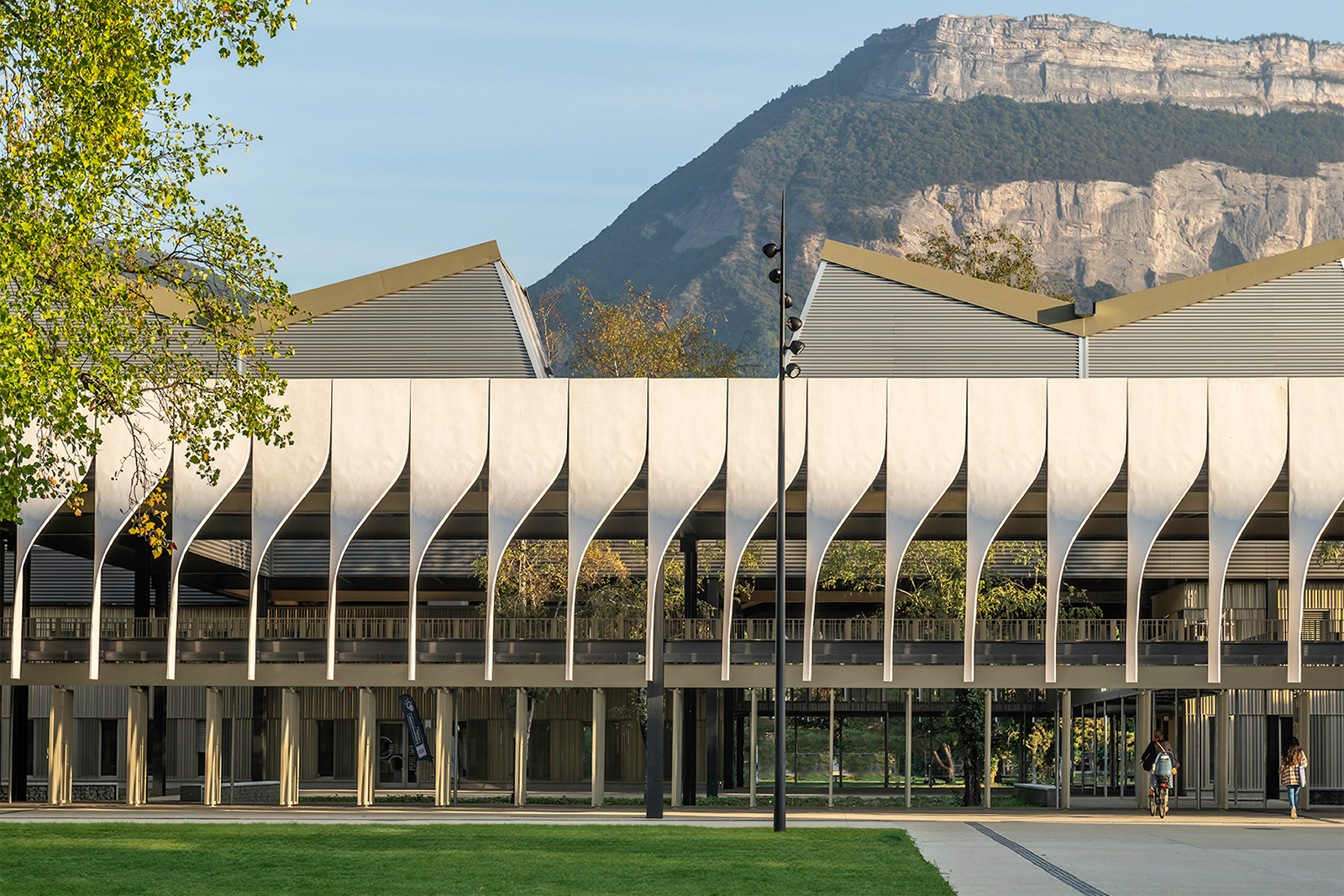
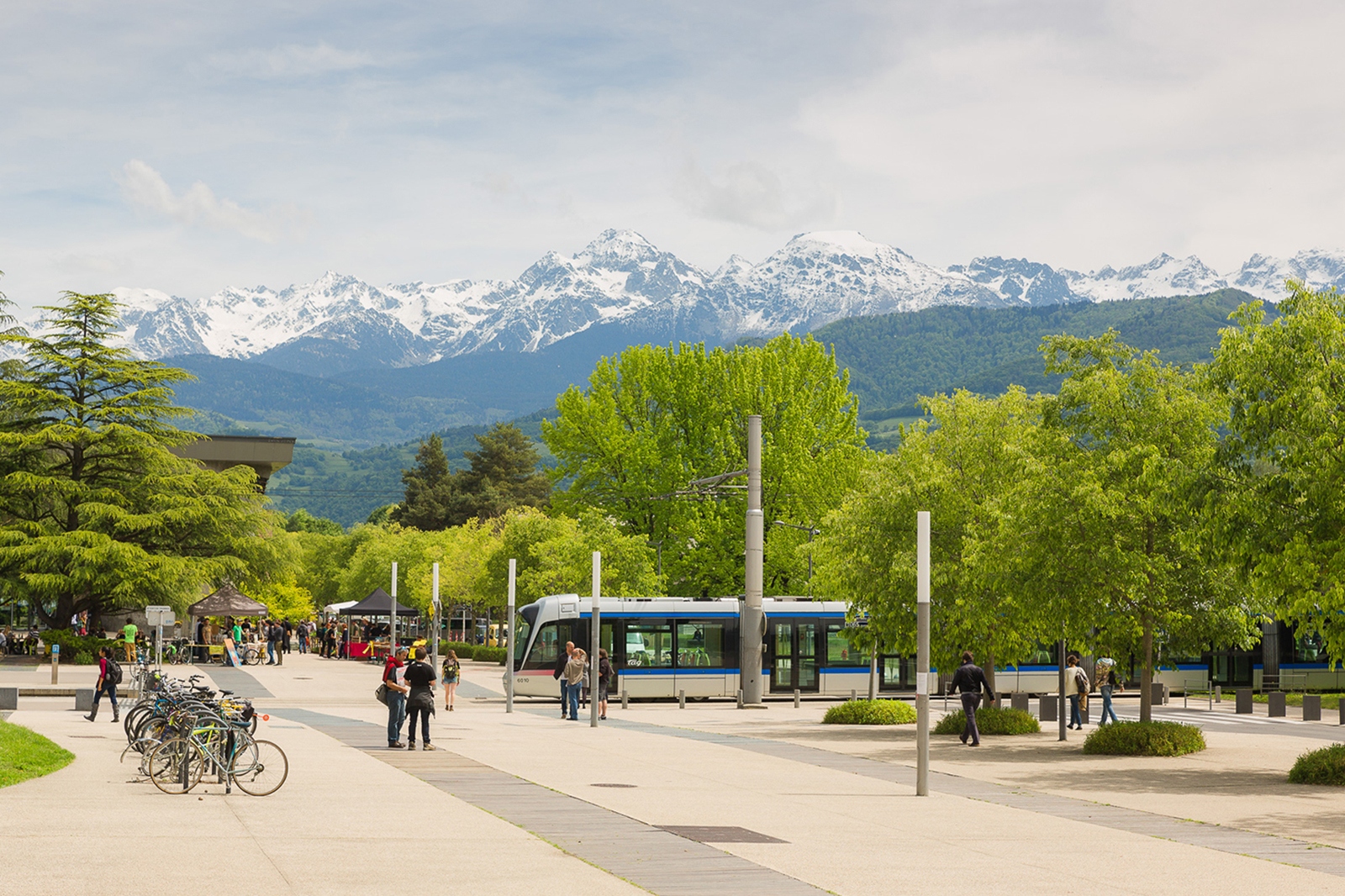
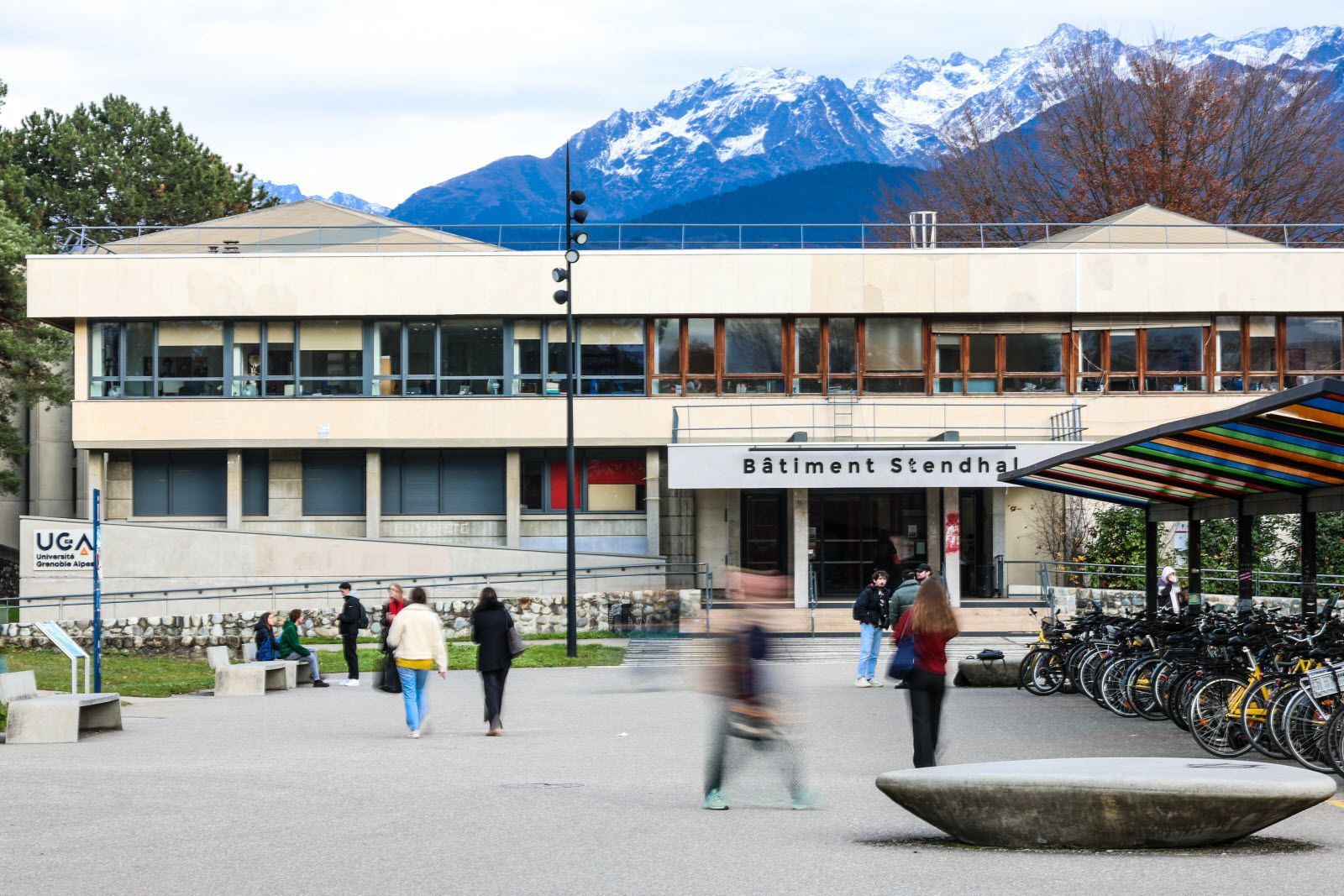
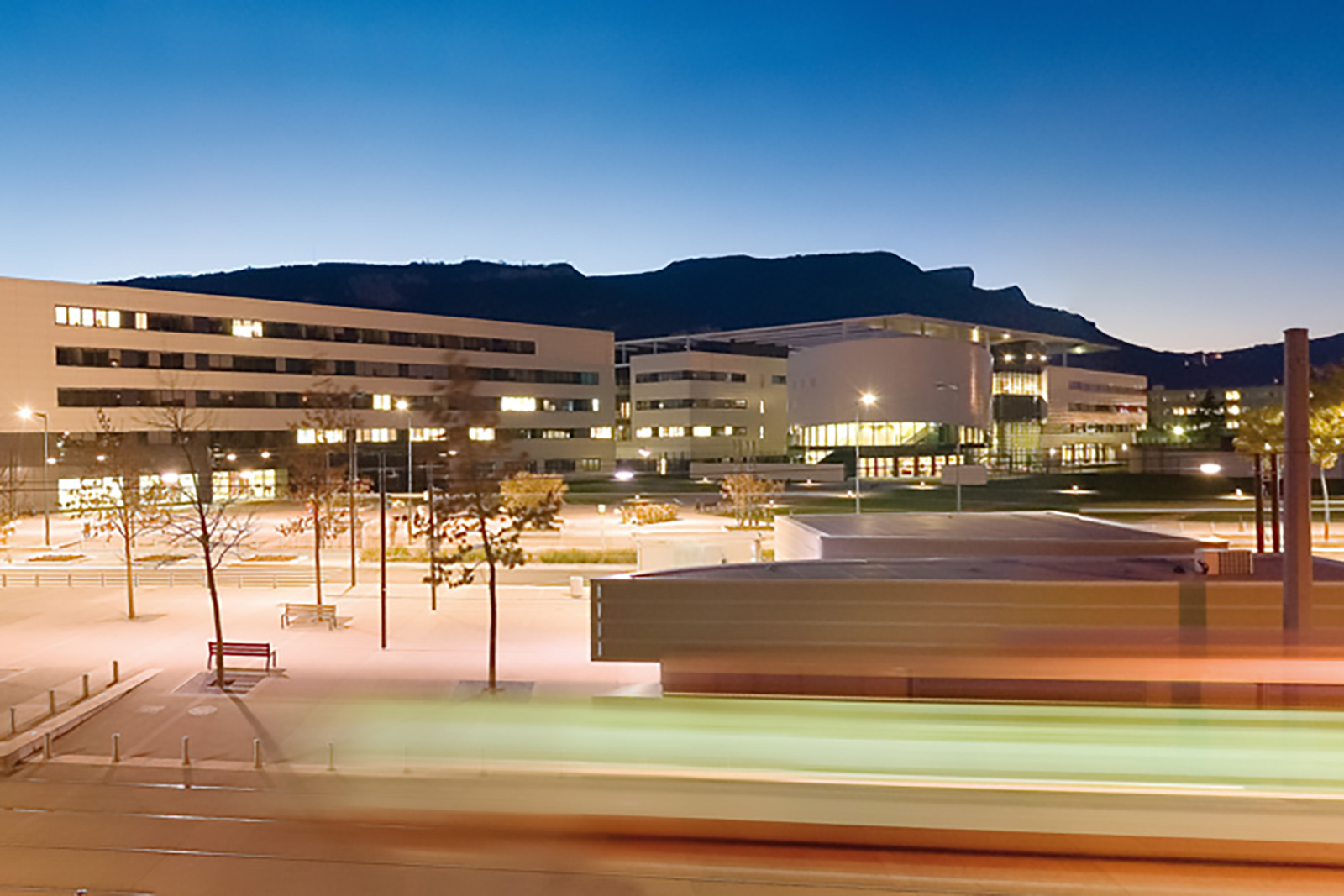
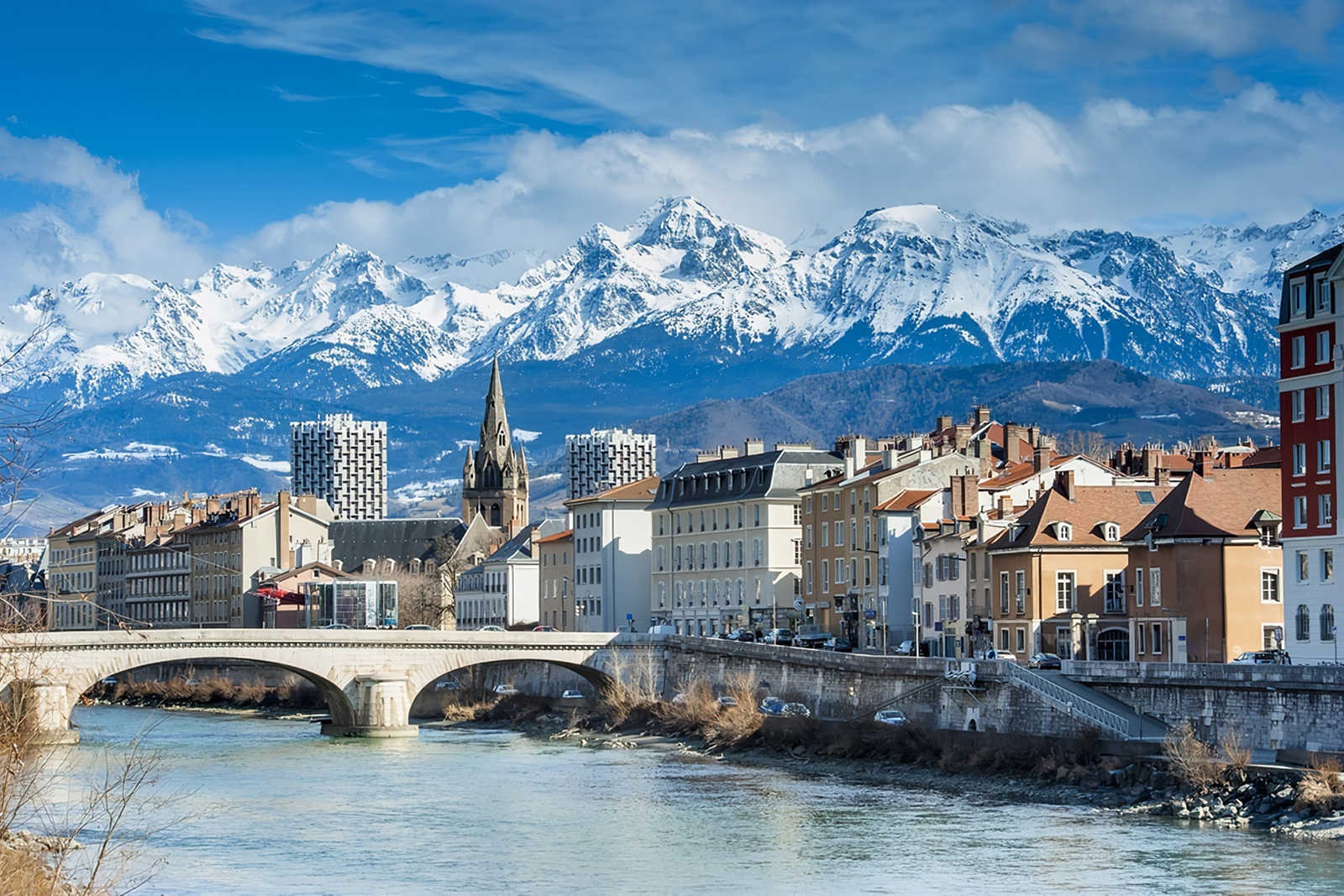
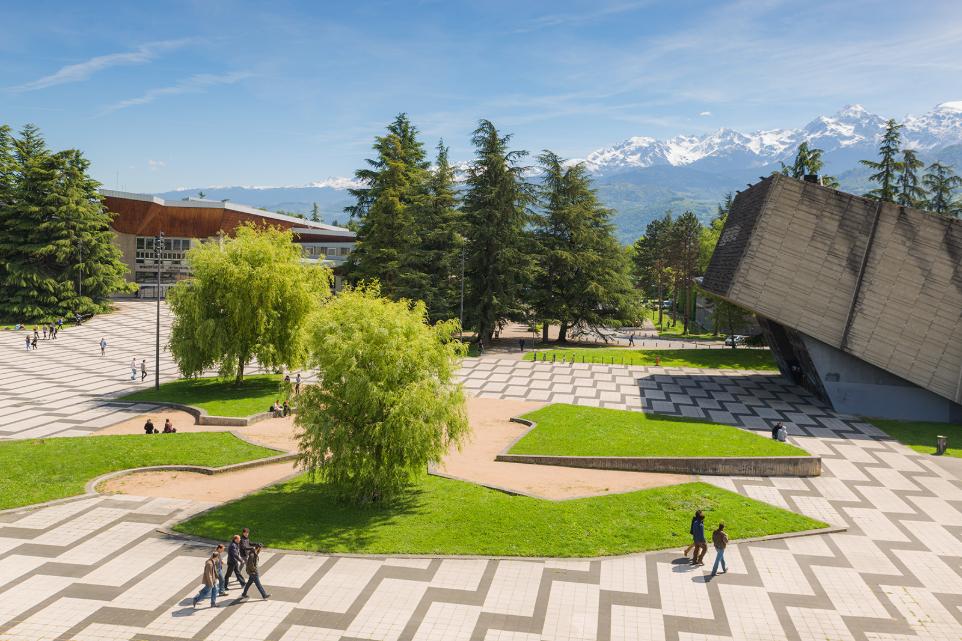
In the heart of an exceptional natural environment, between mountains and green spaces, campus life in Grenoble offers a unique setting for studying and personal development. In 2023, the UGA campus was ranked among the 10 most beautiful campuses in Europe according to The Times Higher Education. It brings together teaching, research and services in a modern and friendly environment. Students benefit from high-quality sports facilities, an efficient public transport network that makes it easy to get around, and a wide range of dedicated services (health, accommodation, catering, support). Dynamic and cosmopolitan, the Grenoble campus also stands out for its rich cultural, sporting and community life.